
I think this is the right move, and honestly, it’s overdue. A straight federal hemp THC ban would be a sledgehammer, and the Hemp Guardrails Act looks like a much more workable way to deal with intoxicating hemp products without turning a whole corner of the market into overnight contraband.
What the bill is trying to do
The national story here is pretty simple: two U.S. senators, Tim Sheehy of Montana and Amy Klobuchar of Minnesota, have introduced a bipartisan bill aimed at stopping the federal recriminalization of hemp THC products that is scheduled to kick in next month. Instead of prohibition, the bill would set a new regulatory framework.
That framework is not light-touch. The legislation would raise the legal hemp threshold to one percent total THC on a dry-weight basis, with an exception for in-process materials. It would also create a new category of prohibited cannabinoids that includes delta-8 THC, delta-10 THC and THC-O-acetate, while restricting the manufacturing or synthesizing of those compounds outside the hemp plant. At the same time, it would keep allowing conversions for CBD, delta-9 THC and other natural hemp compounds outside the plant, but only if the result is a naturally occurring end product.
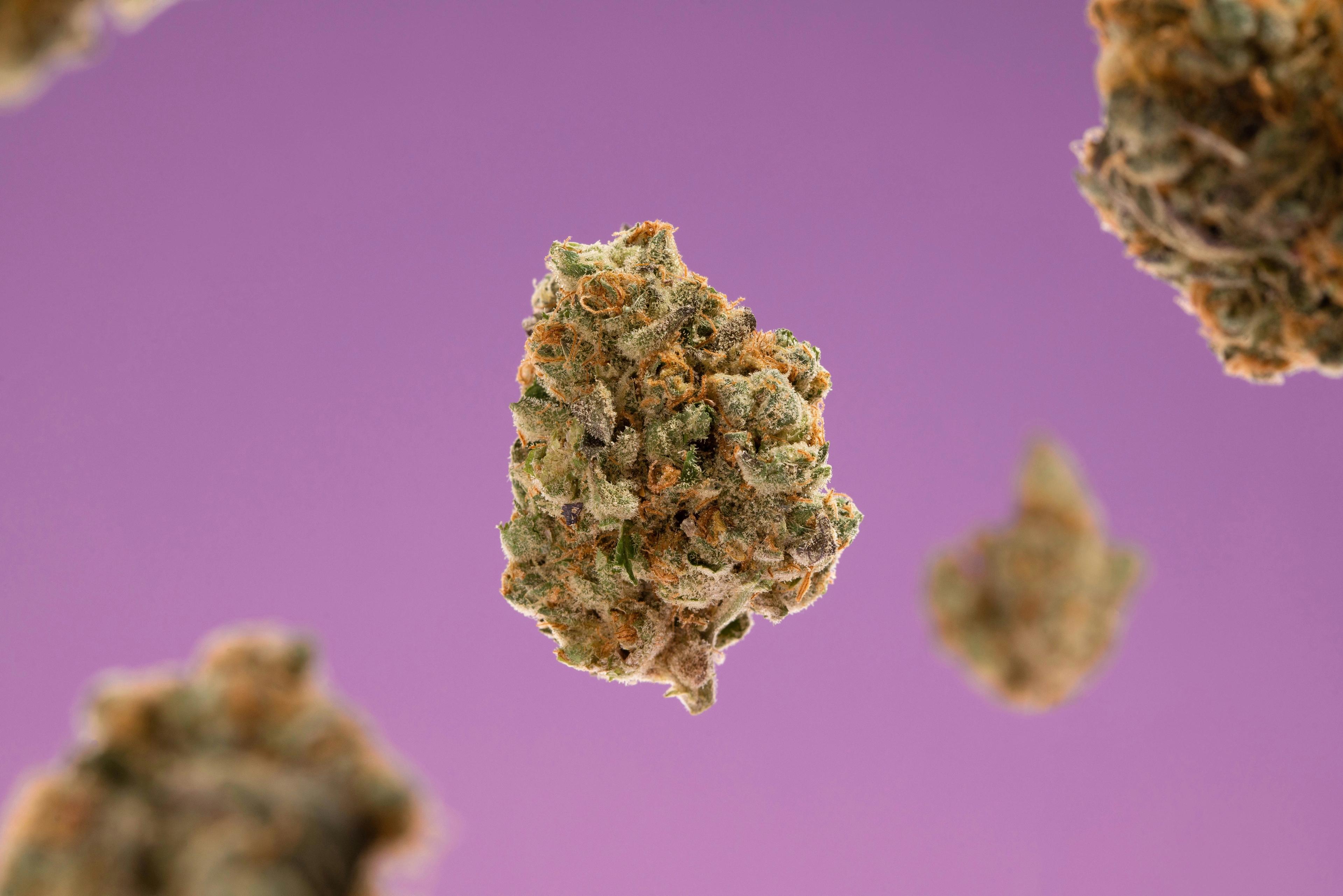
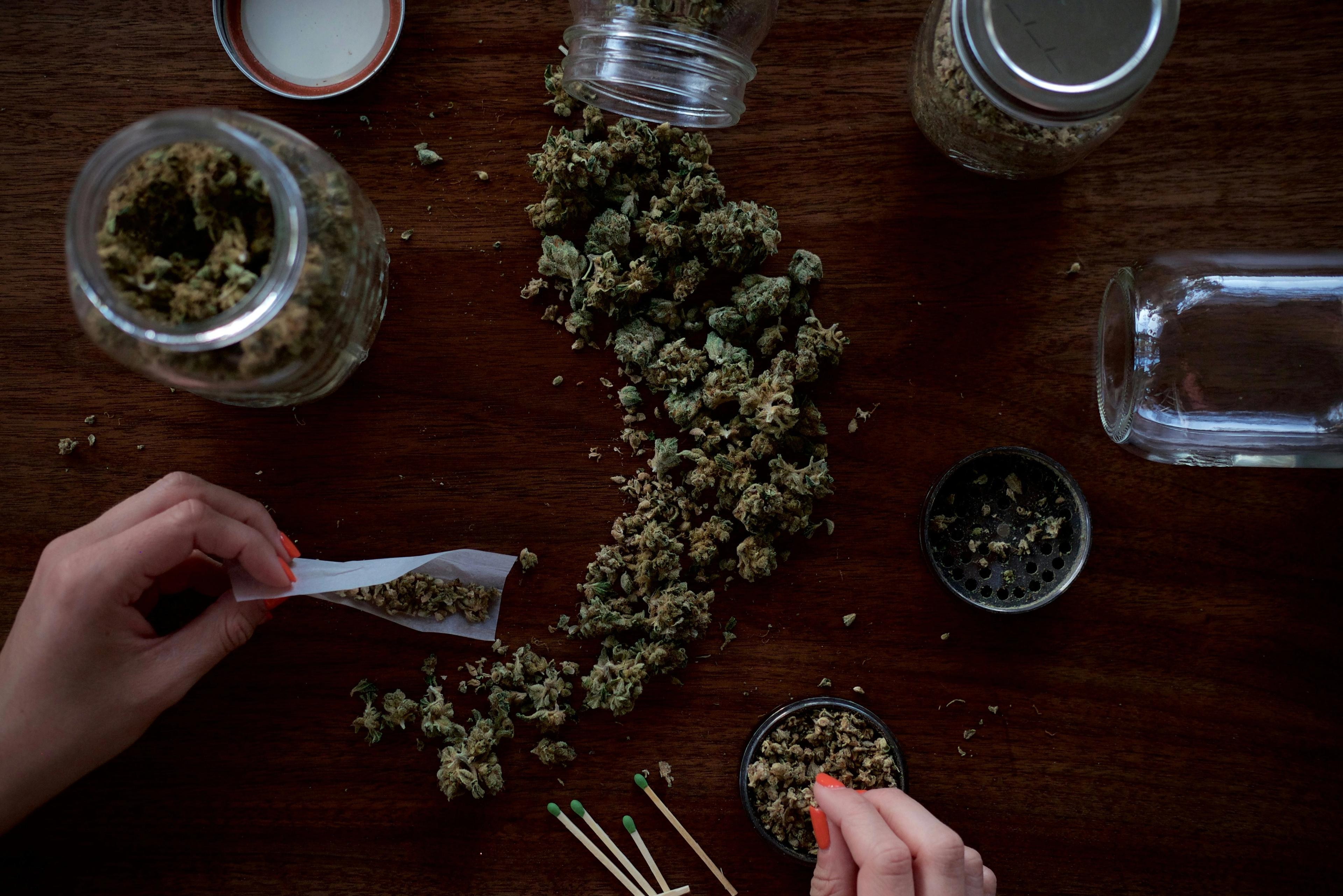
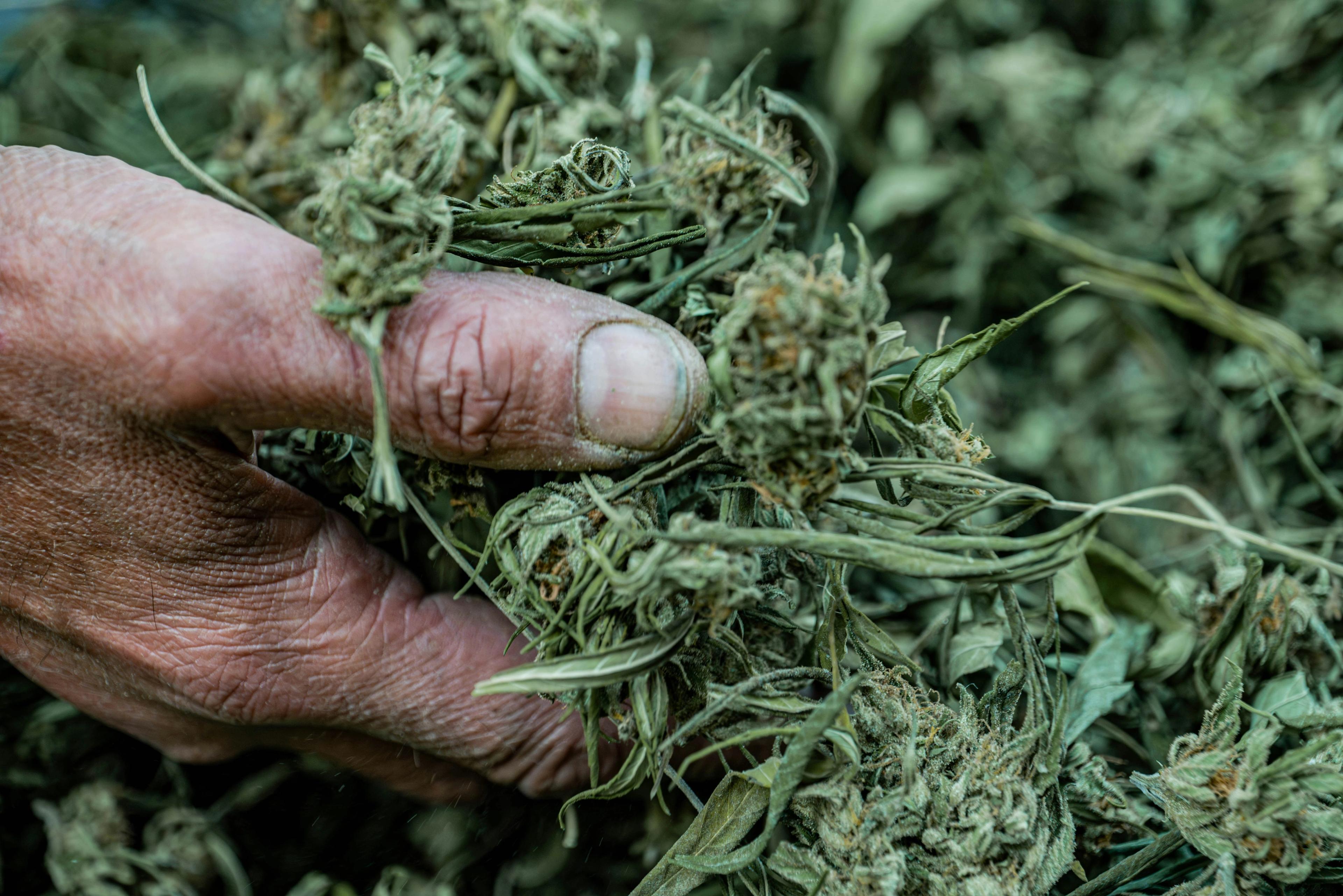
The bill also draws some hard lines. Raw floral hemp material, smokable hemp flower and hemp pre-rolls would be barred from interstate commerce. Hemp cannabinoid products would have to be for adults 21 and older, and they would need to be grown, processed and packaged in the U.S. The measure would also direct the FDA to set rules for packaging, labeling, manufacturing, testing, registration and recalls within 180 days.
Why I think this matters
From where I sit, the biggest thing here is that lawmakers are finally acting like the hemp market exists in the real world. That matters because the bill doesn’t just talk about what should be banned; it tries to sort out what should be regulated, what should be age-gated, and what should be kept out of interstate commerce.
Sheehy said the bill is meant to put bad actors out of business and keep intoxicating products away from children, while also avoiding a situation where farmers, veterans and cancer patients are suddenly treated like criminals. Klobuchar said Minnesota has shown that hemp can be handled in a way that protects kids and supports responsible businesses.
For Arizona, I don’t have confirmation in these facts about any state-specific impact yet, so I’m not going to pretend otherwise. But if you follow hemp, cannabis, or the broader regulated-market conversation here in the Valley, this is the kind of federal move that can ripple outward fast. The bill would preserve state authority to set stricter hemp rules, but it would also block states from stopping the interstate transport of compliant products.
That’s the part worth watching. If this bill gains traction, it could shape how hemp products move, how they’re labeled, and who gets to sell them. And in a market this messy, clarity is not a small thing.
— Sonny Blaze