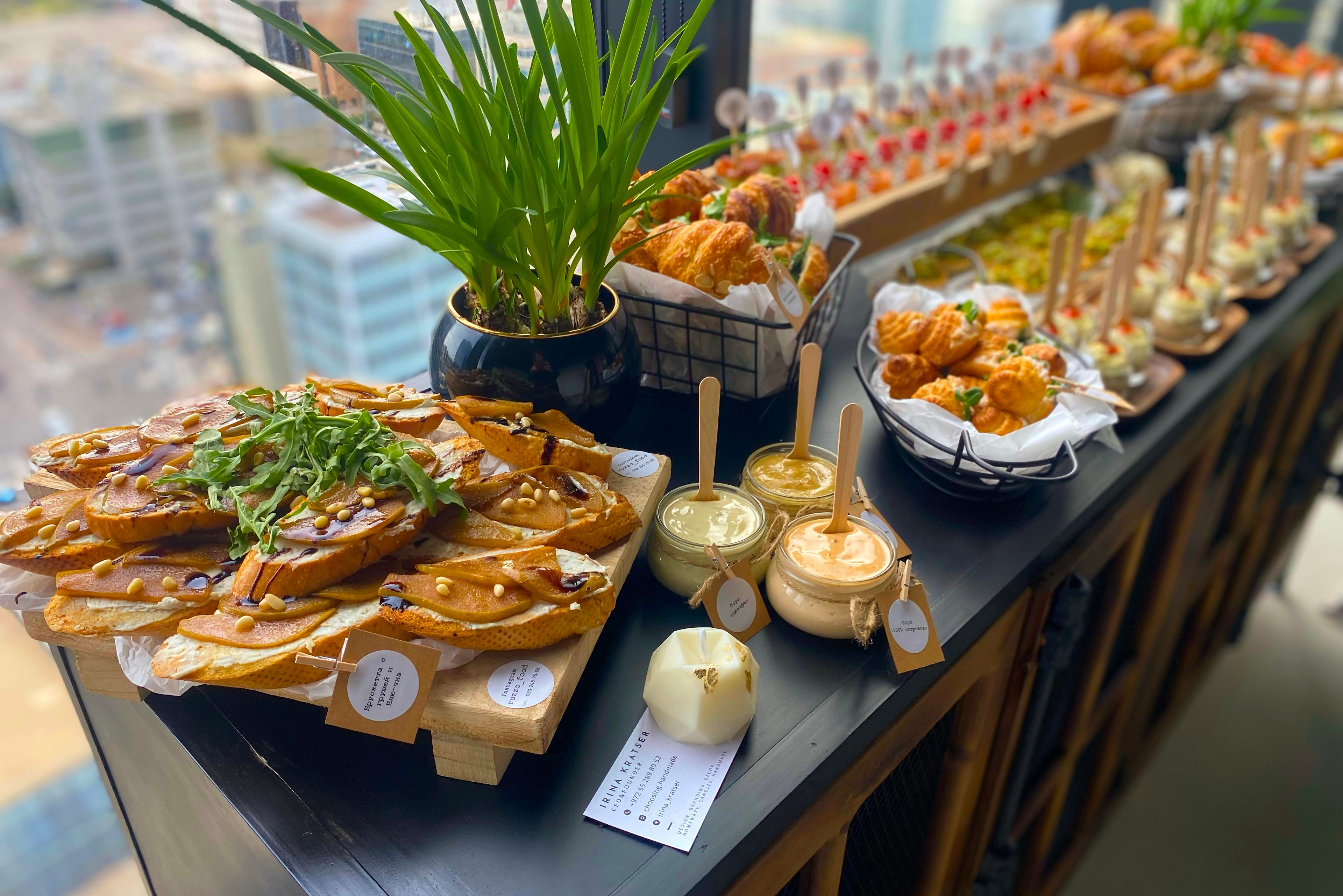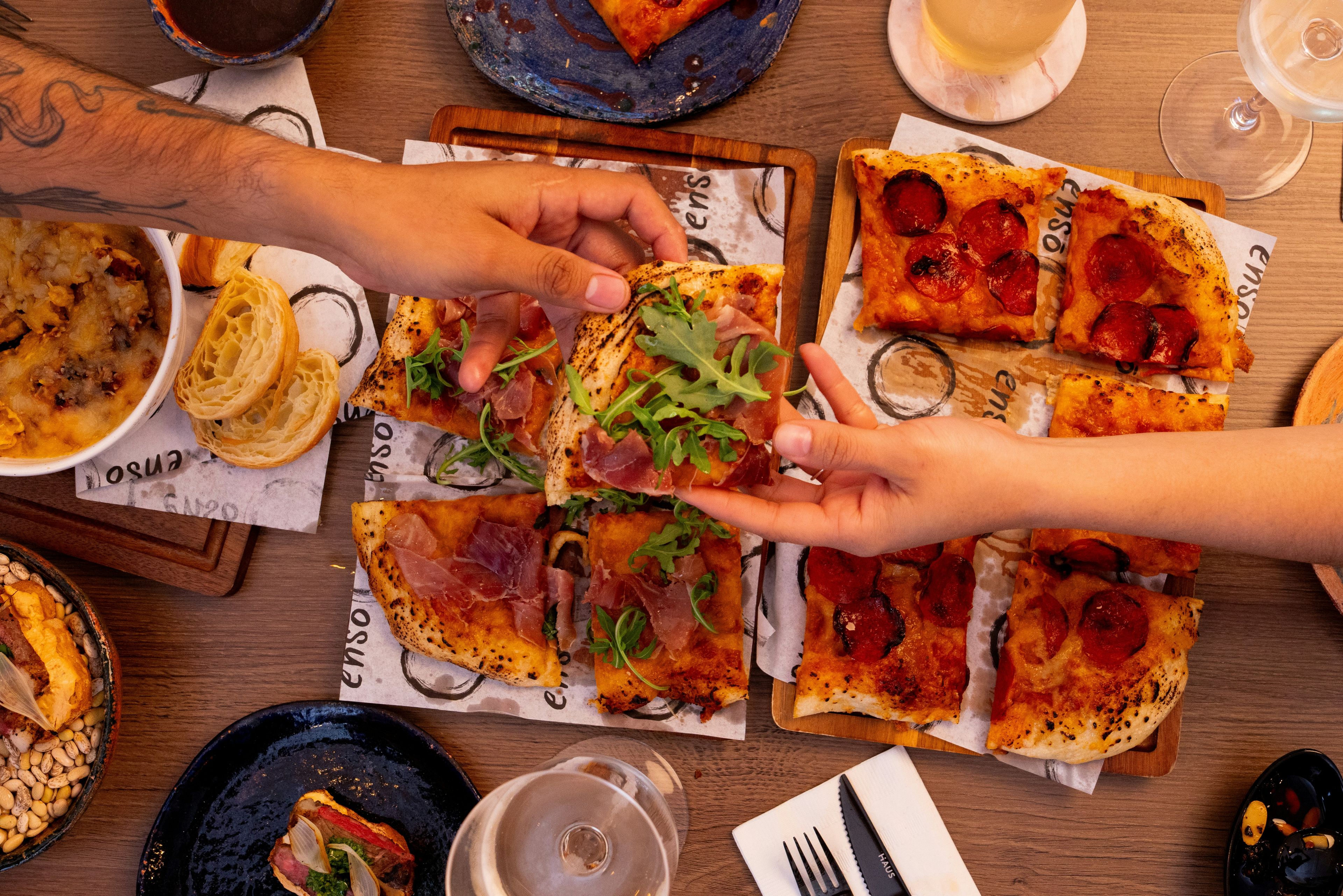
I think the whole small-plates thing is either a brilliant invitation to share or a very expensive way to leave hungry. Kuza in Scottsdale sounds like it lands squarely in that tension, which is exactly why it’s worth paying attention to. Tiny bites can be charming. Tiny bites can also feel like the menu is daring you to order a second round before you’ve even finished the first.
This was framed as a First Taste, which means it’s not a full review and shouldn’t pretend to be one. Still, the early read is clear enough: the restaurant is leaning into shareable dishes, and the robata prawns come with two bites. That’s the kind of detail that tells you a place knows exactly what it’s doing. It also tells you exactly how fast the bill can start behaving like a bad joke.
There’s a reason these kinds of menus keep showing up. Small plates are social, flexible, and good at making a night feel a little more curated than the usual sit-down-and-stare routine. They let a table sample more than one thing without committing to a single giant entree, which is the culinary version of saying, “Let’s keep our options open.” But they also come with a built-in risk: if the portions are too tiny, the whole experience starts to feel less like sharing and more like rationing.
That’s why Kuza’s approach matters. A restaurant can absolutely make a case for restraint, precision, and a menu built around bites instead of buckets. But it has to earn that confidence. If the food is memorable, the size becomes part of the charm. If it isn’t, then all you’ve really got is a lot of plate and not much payoff.
So my take is simple: I’m intrigued, but I’m not handing out applause for tiny portions just because they arrived on a nice plate. Scottsdale has plenty of places that can feed you. The real trick is finding one that can feed the table without making everyone do math.
Bill Farr wrote this piece, and the verdict is the same one every small-plate restaurant eventually has to face: if the bites are tiny, the expectations better be huge.