
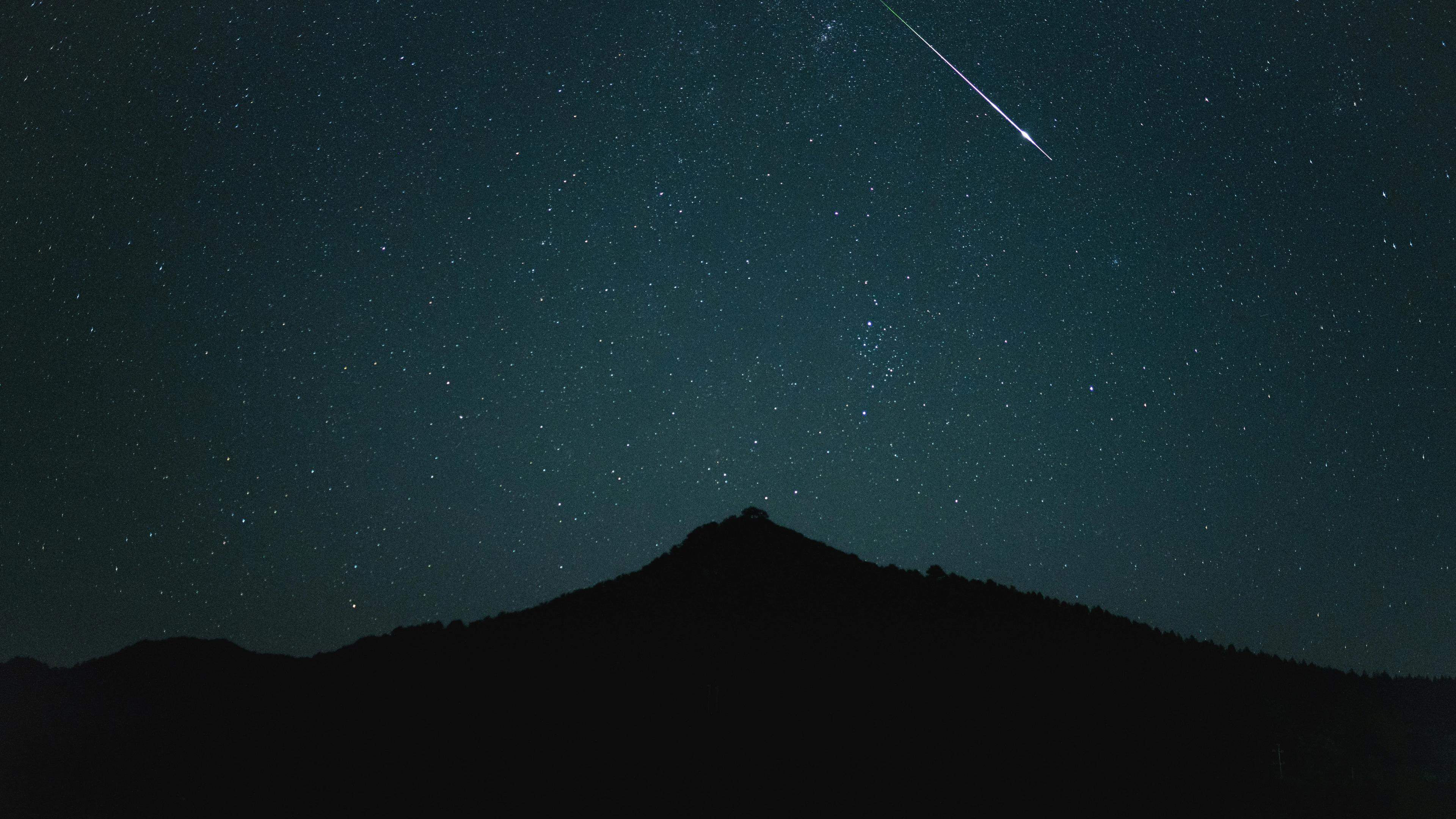
The Perseids are back for their big night
If you’ve been waiting for a good excuse to step outside after dark, tonight may be it. The Perseids — one of the most reliable and eye-catching meteor showers of the year — are peaking, and Arizona is one of the better places to catch them.
That’s the nice thing about living in the Valley: once you get far enough from the brightest city lights, the desert sky can feel huge. And when the Perseids are active, that wide-open sky can turn into a pretty memorable show.
What makes the Perseids worth watching
The Perseids happen every summer when Earth passes through debris left behind by Comet Swift-Tuttle. Those tiny bits of dust and rock hit the atmosphere at high speed and burn up, creating the streaks of light we call meteors.
The shower is known for producing lots of bright meteors, and it’s often a favorite for casual skywatchers because you don’t need special equipment. No telescope. No app. Just a dark sky, a little patience and a place to look up.
Best viewing tips for Arizona
If you want the best shot at seeing meteors, the biggest thing to remember is simple: get away from light pollution if you can. In metro Phoenix, that usually means heading out of the brightest parts of the city and into darker stretches of the Valley or beyond.
A few practical tips can help:
- Give your eyes time to adjust to the dark.
- Look up from a comfortable spot, like a reclining chair or blanket.
- Be patient. Meteor showers can come in bursts, then go quiet for a bit.
- Avoid bright phone screens while you’re watching.
You also don’t need to stare at one exact point in the sky. Meteors can appear anywhere, so the best approach is usually to take in as much of the sky as possible.
What Valley stargazers should know
For people in Phoenix, Scottsdale, Mesa, Tempe or Glendale, the main challenge is usually light pollution rather than the shower itself. The farther you get from downtown Phoenix and the denser parts of the metro, the better your odds.
That’s why many locals head toward darker desert areas when a big meteor shower rolls around. Even if you stay closer to home, you may still catch a few bright streaks if the sky is clear and you’re patient.
Weather matters too. A cloudless night is obviously ideal, and even thin haze can make a difference when you’re trying to spot fainter meteors.
When to look
The Perseids are often best after midnight and before dawn, when the sky is darker and the shower tends to be more active. If you’re planning to stay up late, that’s usually the window worth aiming for.
Still, if you can only step outside earlier in the evening, it’s worth a look. Bright meteors can show up at almost any time once the shower is active.
A good summer night excuse
Part of the fun of the Perseids is that they’re easy to enjoy without making a whole production out of it. Grab a chair, head somewhere dark, and let your eyes do the work.
In a place like Arizona, where summer nights can still feel warm and the desert horizon seems to go on forever, a meteor shower can be one of those simple seasonal moments that reminds you to slow down and look up.
So if you’re already thinking about a late-night drive, a backyard watch party or a quick trip out of the city, tonight gives you a pretty good reason. The sky may do the rest.