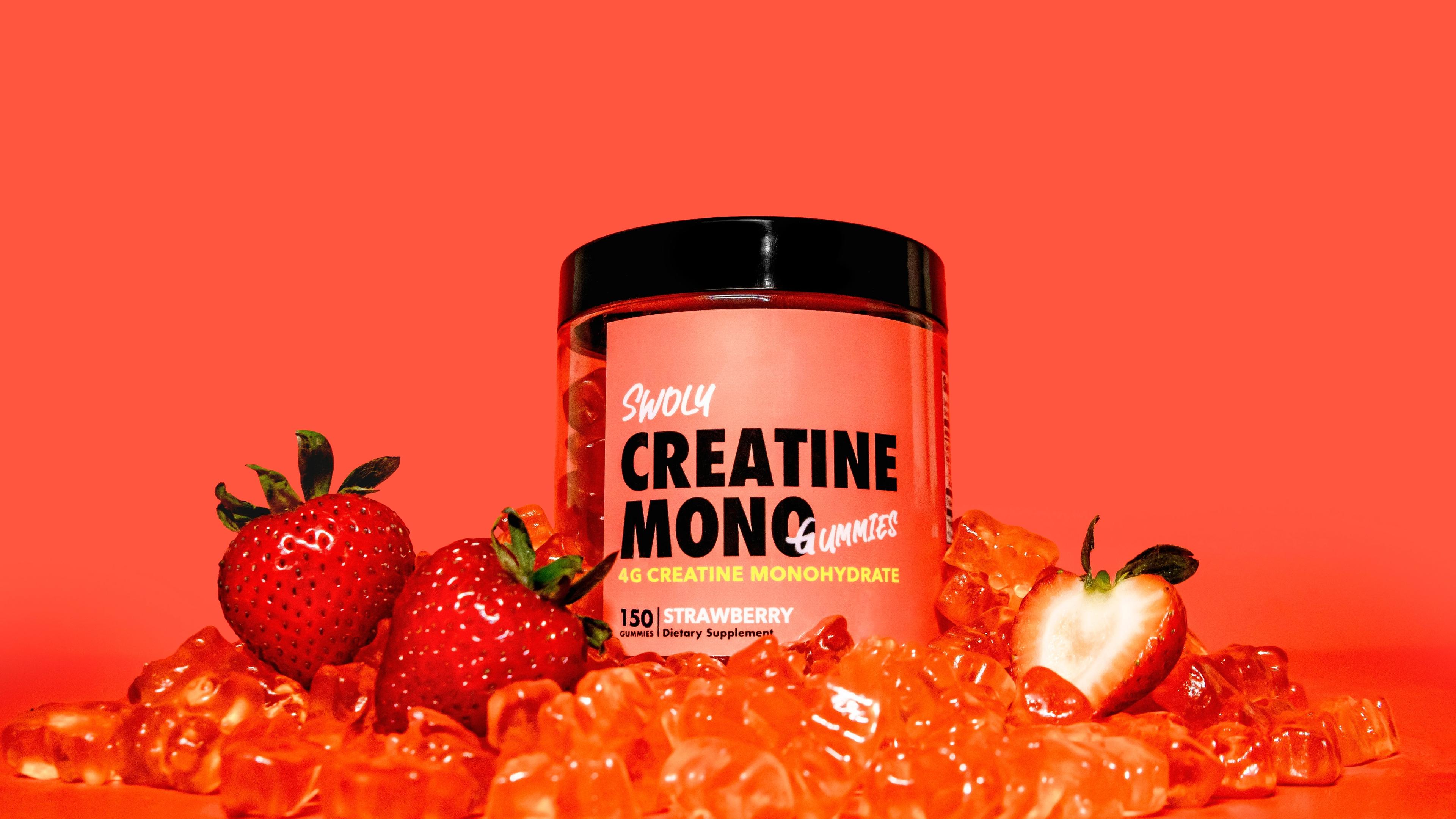
I think this is good news, and honestly, pretty practical news. The new study highlighted by mindbodygreen suggests creatine may be worth a closer look for people 45 and up who want help supporting muscle and body composition, especially because it wasn’t limited to elite athletes or hardcore gym regulars. That makes the takeaway feel more usable in real life, which is usually what matters most.
According to mindbodygreen’s report, the researchers looked at 73 healthy, sedentary adults ages 45 to 65 and followed them for 12 weeks. Participants either joined a structured exercise and weight-loss program or stayed in a non-exercise group, and within those groups they were randomly assigned to take either 10 grams of creatine monohydrate per day, split into two 5-gram doses, or a placebo. That setup matters to me because it tests creatine in a more everyday population, not just in the usual strength-training crowd.
The exercise and weight-loss program itself was fairly straightforward: resistance and aerobic exercise three days per week, walking 10,000 steps per day on four days per week, and a diet designed to create a 300- to 500-calorie daily energy deficit, per mindbodygreen. Researchers tracked body composition with DXA scans and also looked at strength, muscular endurance, cognitive function, blood biomarkers, dietary intake, physical activity, mood, and quality of life at baseline, six weeks, and 12 weeks. In total, 64 participants completed the study.
That’s a lot of moving parts, and it’s exactly why I read this as encouraging rather than magical. Creatine has long been known for supporting muscle energy production, strength, and exercise performance, and this study adds to the idea that it may have a place beyond the athlete aisle. For people in their 40s, 50s, and beyond, that’s a meaningful shift in how we think about supplements: not as shortcuts, but as tools that may support the work you’re already doing.
I also like that the article frames creatine as something worth considering even if you’re not following a structured exercise program. That doesn’t mean it replaces movement, protein, or a sensible eating pattern. It does mean the conversation around healthy aging is getting a little more realistic, and that’s a good thing.
If you’re trying to keep muscle and manage body composition as you get older, this is the kind of study that makes me pay attention. Not because it promises a dramatic fix, but because it points to a supplement with a solid reputation and a new layer of relevance for everyday adults.
— The Health Nut