I think this is good news for anyone trying to make sense of probiotic claims: the more we learn, the less room there is for vague marketing. If a product is going to talk about brain health, stress, mood, sleep, or cognition, it should be able to point to strain-specific evidence instead of leaning on a broad probiotic promise.
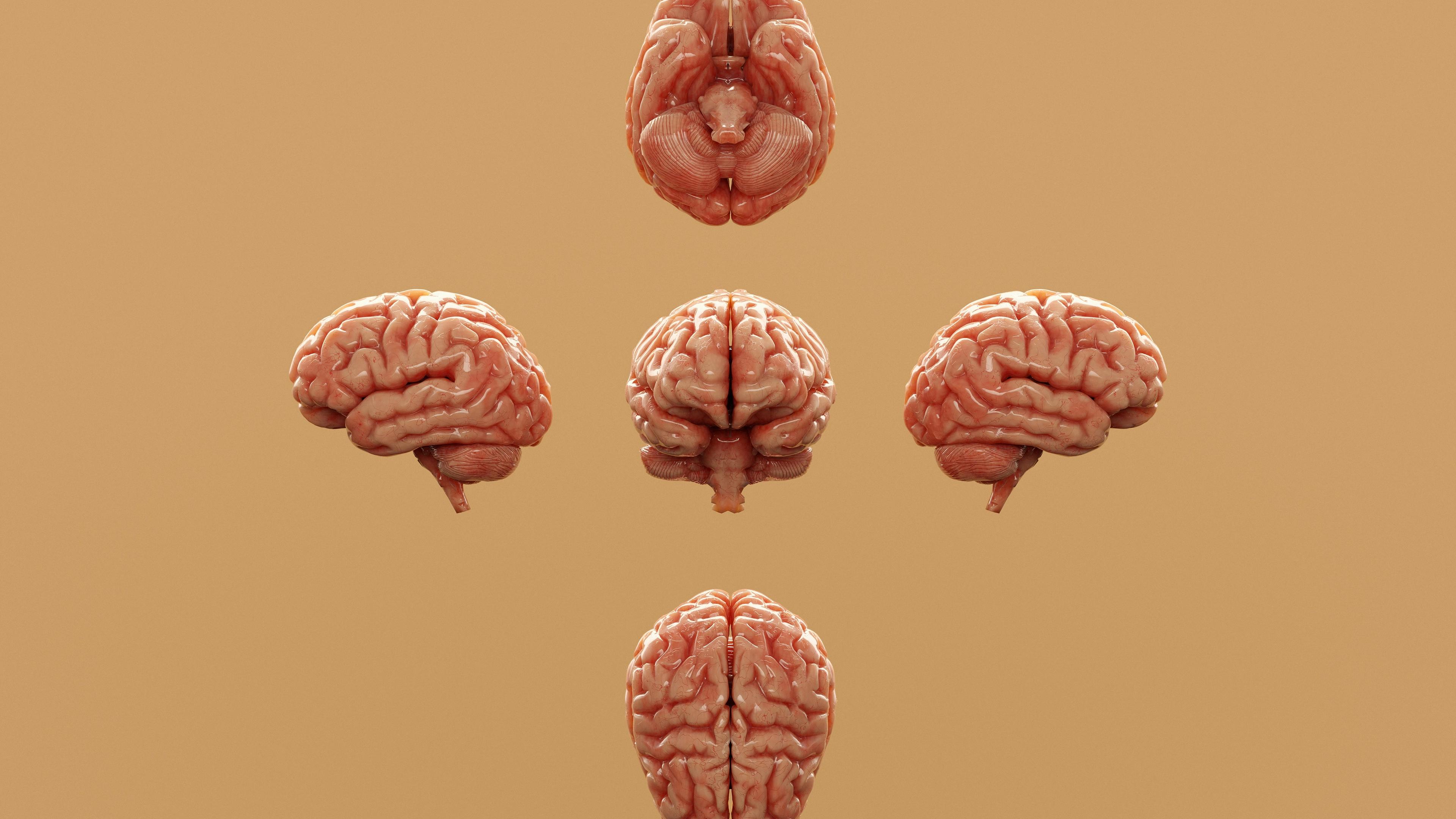
That matters because the gut-brain axis is not just a trendy phrase. It describes two-way communication between the gut microbiome and the brain through immune, endocrine, and neural pathways. Research is also paying more attention to the enteric nervous system, which helps explain why probiotics are drawing interest for mood and mental wellbeing. But interest alone does not make a product credible. The real test is whether a specific strain has actually been studied, in a specific group, for a specific outcome.
The article points to a useful example in Probi’s proprietary strain, Lactiplantibacillus plantarum HEAL9. According to the source material, HEAL9 has been investigated in human studies looking at biological responses to stress and cognitive performance, with wider research also exploring memory, attention, mood, and sleep. That is exactly the kind of narrower, more disciplined approach I want to see in this space. It does not promise everything to everyone. It asks a more honest question: what does this strain do, and under what conditions?
One study described in the source material is especially telling. In a randomised, double-blind, placebo-controlled study published in 2020, researchers looked at four weeks of HEAL9 supplementation in people experiencing chronic stress. After an acute stress test, participants receiving HEAL9 had significantly lower plasma levels of two inflammatory markers, soluble fractalkine and CD163, compared with placebo. That does not mean every probiotic will do the same thing, and it does not mean the story ends there. But it does show why strain-level evidence is so important when the conversation turns to mental wellbeing.
I also think the consumer side of this is worth paying attention to. The source says more than 46% of global consumers believe a healthy digestive system can improve mood and emotional wellbeing while helping reduce stress. That helps explain why this category keeps growing. People are clearly looking for support that feels practical and connected to daily life. The challenge is making sure the products they reach for are backed by the right kind of evidence.
The bottom line, in my view, is that probiotic strain specificity is not a technical footnote. It is the difference between a general wellness claim and a more trustworthy, science-led conversation about brain health. And in a crowded supplement aisle, that distinction matters.
— The Health Nut